
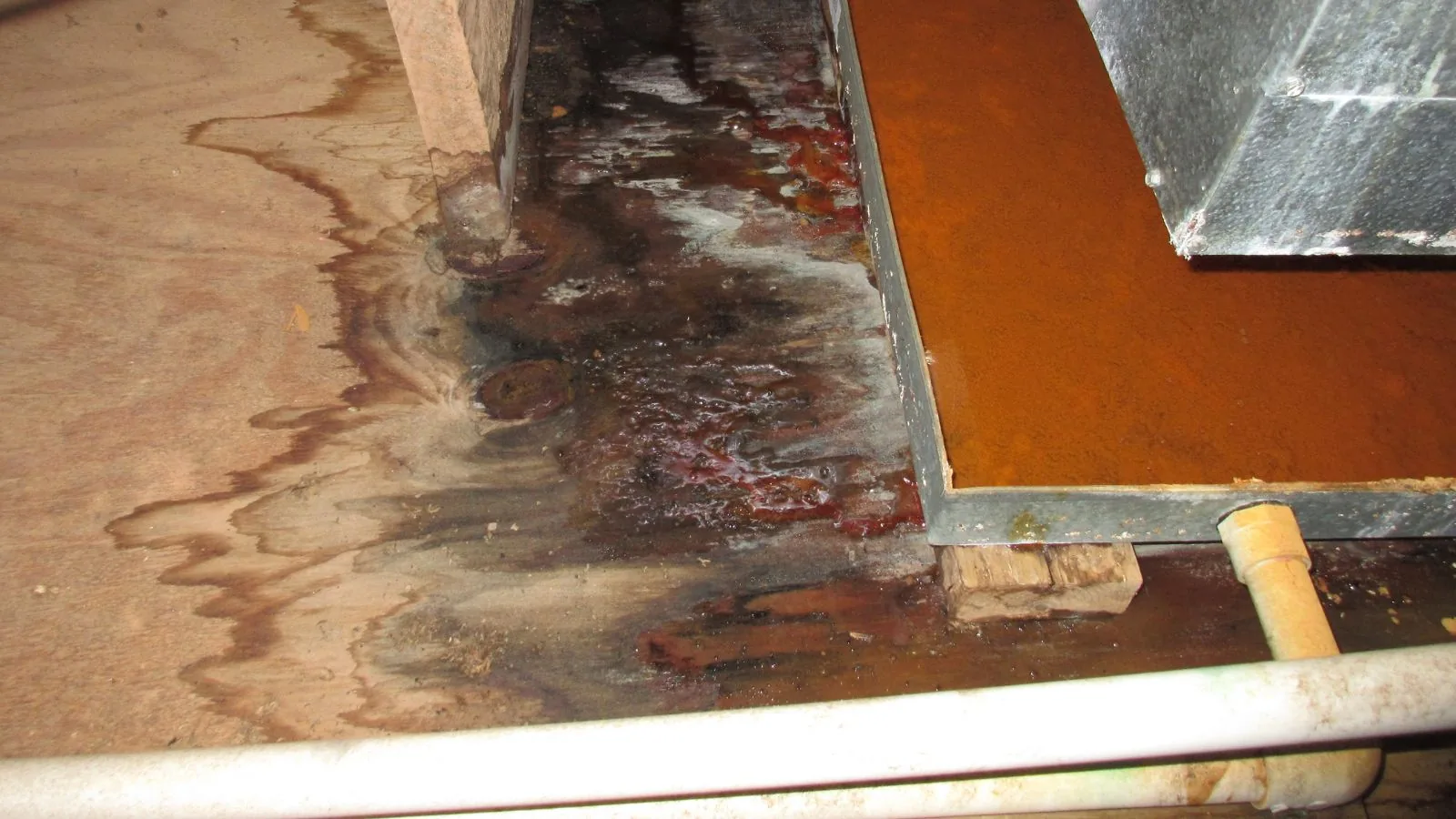
When water damages a rental, two parties need to act quickly and both need paper. The tenant protects belongings and reports the loss, and the landlord protects the building and decides who does the repair. Clear documentation prevents most disputes.
This is general information. Georgia lease terms and landlord-tenant law decide who owes what, so read the lease and ask an attorney if there is a dispute.
First steps for a tenant
- Stop the source if it is a fixture you can shut off, and keep clear of wet electrical items
- Move belongings out of the water and onto dry surfaces
- Take photos and video of the source, the water and damaged property before moving anything you can safely leave
- Notify the landlord or property manager in writing as soon as possible, and keep a copy
- Tell your renter's insurer if you have a policy, and ask what it needs
Written notice matters. A phone call is useful in an emergency, but a text or email with a time stamp lets you prove when you reported the problem.
First steps for a landlord
Landlords should stop the source, protect the structure and make sure the space is safe. That may mean calling a plumber, shutting the water to a unit and arranging for water to be removed and the structure dried. Delay lets water travel into walls and floors, and it raises the scope for everyone.
Georgia law, at O.C.G.A. 44-7-13, places a duty on landlords to keep the premises in repair. How that applies to a given loss depends on the facts, so an attorney is the right person to ask.
Water in a rental unit?
Call the 24/7 line and give the address.
Who pays for what
| Item | Usually handled by | Notes |
|---|---|---|
| Building repair and drying | Landlord and landlord's insurer | Depends on cause and lease |
| Tenant's belongings | Tenant's renter policy, if any | Landlord's policy does not usually cover contents |
| Temporary housing | Depends on lease and policies | Ask both insurers |
| Damage caused by tenant negligence | May be disputed | Document the cause carefully |
A landlord's policy generally covers the structure and not a tenant's belongings. That is the main reason renters are often advised to carry their own policy, and it is worth checking before a loss, not after.
Documentation that settles arguments
- Time-stamped photos and video of the source and the damage
- A written timeline of who noticed what and when
- Copies of notices to the landlord and replies
- Moisture readings and a written scope from the crew that dried the unit
- Receipts for emergency costs such as lodging or temporary repairs
A neutral record of readings is useful to both sides. It shows how far water reached and when the unit was dry.
When a tenant should not wait
If water is running and the landlord cannot be reached, a tenant can usually close the shut-off valve to the fixture or to the unit. Do not remove walls or flooring yourself. Hidden moisture and building materials are the landlord's matter, and cutting into them can create new disputes.
Keep your own safety first. If water has reached outlets, a panel or ceiling lights, stay out and call the utility or 911.
Talking to each other early
Most rental disputes after water damage grow out of silence. A tenant who waits to report the leak, or a landlord who waits to respond, makes the loss larger and the argument harder. A short written message at the start, and a prompt reply, keeps both sides on the same page.
Be specific in the message. Give the room, the source if you know it, the time you found the water and what you have done. Attach a photo. A landlord can act on that, and it creates a record neither side can dispute.
Insurance for renters
- A renter policy covers belongings and sometimes extra living costs
- Liability coverage can respond if a tenant is blamed for damage to the building
- Landlords carry their own policy for the structure
- Neither policy fills the gap left by the other
If you rent and do not have a renter policy, ask an agent about one before you need it. Policies for renters are usually modest compared to the value of what they protect.
Moving out and getting a deposit back
If a loss makes a unit unlivable, tenants and landlords need to talk about whether the tenant stays, moves temporarily or ends the lease. The lease and any renter policy will matter here, and a short written agreement protects both sides. Do not move out in a hurry without a written understanding.
Keep records of the unit's condition at the start of the tenancy and at the time of the loss. Photographs from move-in are useful when a landlord later claims that damage was caused by the tenant. Both sides benefit from knowing who caused what.
If you cannot agree, ask an attorney or a local legal aid office about your options. Do not withhold rent or take other drastic steps before you know what your lease and Georgia law allow.
Rentals in and around Braselton
According to the 2020 plan, about 95 percent of the housing units in town are single-family houses. That means many rentals here are single houses rather than apartment buildings, and the tenant may be the only person in the building when a leak starts.
For a single-family rental, the lease usually spells out who handles utilities and maintenance, so check it before you call a contractor. Calls also come from Oakwood and Flowery Branch, where rental housing mixes apartments and houses.
A crew can dry a unit and give both parties a record of readings. The structural drying page explains what that involves, and the line is open at any hour.
Questions people ask
Who calls the restoration company in a rental?
Usually the landlord or property manager, because the building is theirs. A tenant can call in an emergency if the landlord cannot be reached, and should tell the landlord at once.
Does the landlord's insurance cover my belongings?
Generally no. A landlord's policy covers the building, and contents are covered by a renter policy if you have one.
What should a tenant document in Braselton?
Photos, notices, a timeline and receipts, and the crew's readings if the unit is dried.
Is there a Georgia law on landlord repairs?
O.C.G.A. 44-7-13 places a duty on landlords to keep premises in repair. Ask an attorney how it applies to your case.