
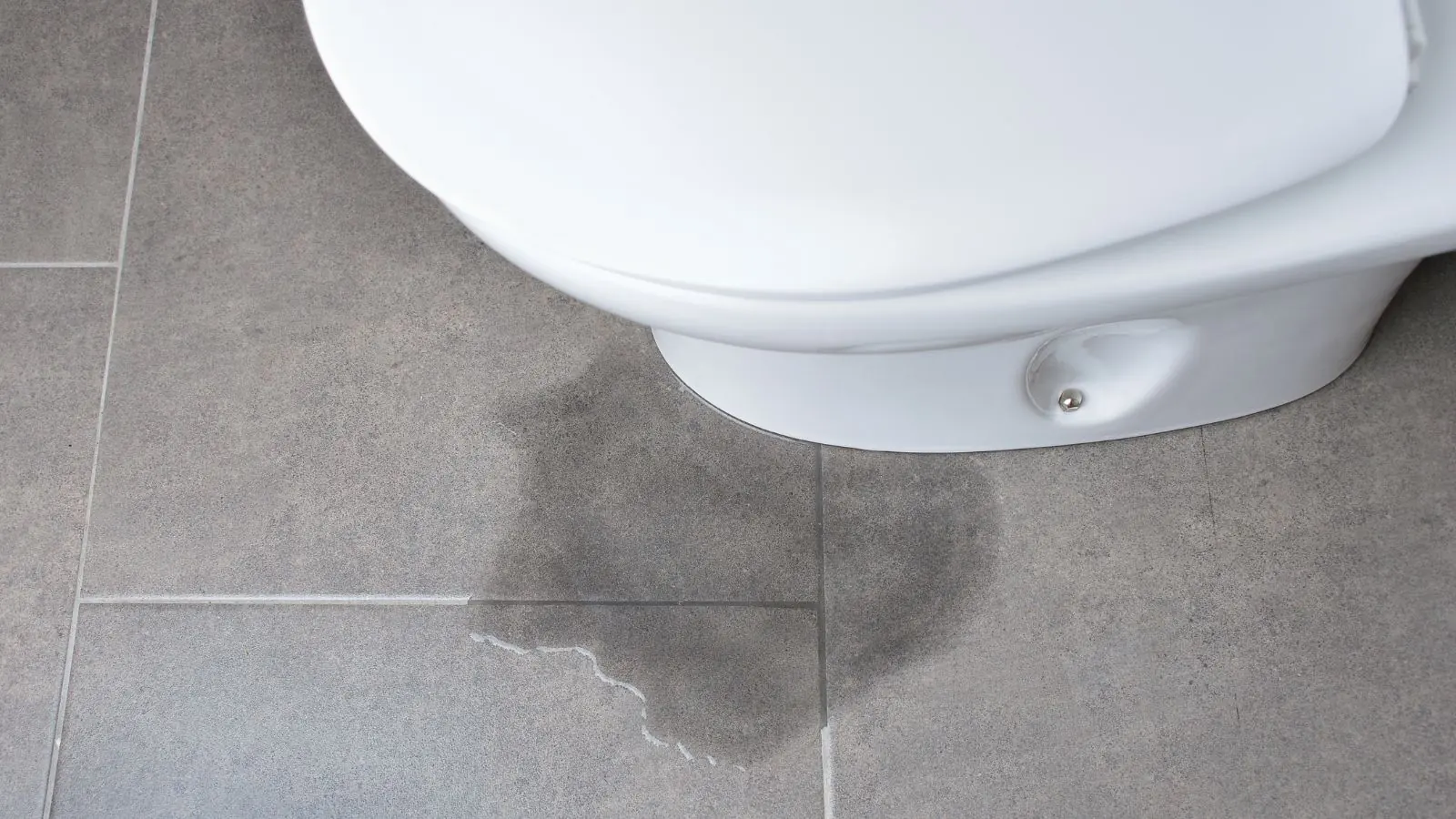
Sewage coming up through a drain, toilet or floor opening is an emergency and a health hazard. Our line answers 24/7, so keep people and pets out of the affected area and call as soon as you notice it.
Raw sewage coming up from a drain: what it means
Homeowners usually describe this as a drain that backed up, a toilet that will not stop overflowing, or a smell and dark water in a basement floor drain. The technical term is a Category 3 water loss, which means the water may contain bacteria and other contaminants and is handled with protective gear and different rules.
The cause is usually a blockage in the house line or in the municipal main. A plumber can tell which, and sometimes the town's sewer department needs to know. The cleanup follows once the flow stops.
Sewage emergency: what to do and what not to do
- Stop using toilets, sinks, showers and the washer until the line is cleared
- Keep children, pets and anyone with a weak immune system out of the area
- Do not use a household vacuum or fans on sewage-contaminated water
- Do not walk through the water barefoot, and wash hands and boots carefully
- Switch power off to wet areas only if the panel is dry and reachable, and call the utility or 911 for any electrical or gas risk
Fans and a shop vacuum are not enough here
Household fans spread contaminants into the air, and a shop vacuum can aerosolize them. Sewage-contaminated materials need proper removal, containment and treatment, and that is a job for trained crews.
Sewage coming up in the house?
Stay out of it and call the 24/7 line.
How the cleanup is handled
Under ANSI/IICRC S500, Category 3 water means porous materials that touched it, such as carpet, pad and low drywall, are removed rather than cleaned in place. Hard surfaces and framing are cleaned and treated. Crews wear protective equipment, bag contaminated debris and take it out of the home through a path that avoids spreading it.
Contain and extract
The wet area is isolated where possible, and sewage is extracted with pumps and extraction tools.
Remove
Carpet, pad, baseboard and drywall that absorbed the water are cut out and bagged.
Clean and treat
Surfaces are cleaned, then treated with antimicrobial products suited to the material.
Dry and check
Air movers and dehumidifiers dry the structure, and readings are taken before any rebuild.
Where backups happen
The lowest drain in the house is where a backup shows up, which is why basements, lower-level bathrooms and laundry rooms are the common spots. Homes with a floor drain in the garage or a basement bathroom below the main line are the most exposed. Callers have described raw sewage rising in a basement drain and reaching carpet in a finished room.
If the area is a finished lower level, see also basement water damage cleanup. For flooding that started outside, flood damage restoration explains how contamination is handled for stream and ground water.
Sewer service around Braselton
Braselton's 2020 comprehensive plan lists funding to replace the Vineyards lift station and the Mulberry North sewer lift station and force main, which shows how much of the town depends on pumped sewer lines. A backup that affects several neighbors at once points to the municipal side, and one that affects only your home points to your own line.
Ask your sewer provider where responsibility changes from the town's main to your lateral. Some homes in nearby towns are on septic systems rather than a municipal sewer, and a plumber or septic company handles those backups.
What drives a sewage cleanup scope
The scope and the cost are described to you first. The volume of water, the rooms and materials it reached, how long it sat and the need for removal, containment and treatment are the main factors. Because Category 3 losses involve disposal and protective equipment, the scope tends to be larger than a clean water loss of the same size.
Insurance
Many policies exclude water that backs up through a sewer or drain unless an endorsement is added, so check your policy for a water backup rider. Ask your insurer before you decide, and keep photos and notes of the time you noticed the backup.
Backup calls go to the same line whether the house is in Braselton, Hoschton or Flowery Branch.
Questions people ask
Who do I call when a drain backs up at night?
Call the 24/7 line. If sewage is coming up at night, stop using water, keep people out and call.
Can I clean up a small sewage spill myself?
Small spills can be cleaned with protective gloves and boots, but anything that soaked carpet, pad or drywall is a contaminated material loss and should be handled by trained crews.
Is this the same as a plumbing repair?
No. A plumber or the sewer provider clears the blockage. We extract the sewage, remove contaminated materials and sanitize.
Does homeowners insurance cover sewer backup?
Many policies exclude it without an added endorsement. Check your policy for a water backup rider and ask your insurer.
Why not just dry carpet that got sewage on it?
Porous materials hold contaminants that drying does not remove. That is why S500 practice removes them.