
Water that comes in during a storm is an emergency, and it usually arrives while the weather is still bad. Our line answers 24/7, so call as soon as it is safe to do so, and keep away from downed lines and unstable ceilings.
Storm water damage cleanup covers rain and wind-driven water that gets through the roof, windows, doors, siding and walls. It is separate from rising water that enters at ground level, which belongs to flood damage restoration. It is also separate from a plain roof leak on a dry day, which is covered under ceiling water damage repair.
Storm water emergency: what to do while it is still raining
Stay indoors and away from windows and trees. If water is coming in, move valuables and electronics away, put out buckets and towels, and photograph the damage from a safe place. Do not go onto a roof in wet weather, and do not touch anything that a fallen limb or wire has contacted.
If a ceiling is bulging, stay out from under it. If power lines are down, call the utility or 911. When it is safe, call the line and describe what came in and where.
Temporary protection belongs to a roofer
A tarp over a roof opening or a board over a broken window is a roofing or carpentry job. Our work starts with the interior water: extraction, wet insulation and drywall, and drying.
How storms get water inside
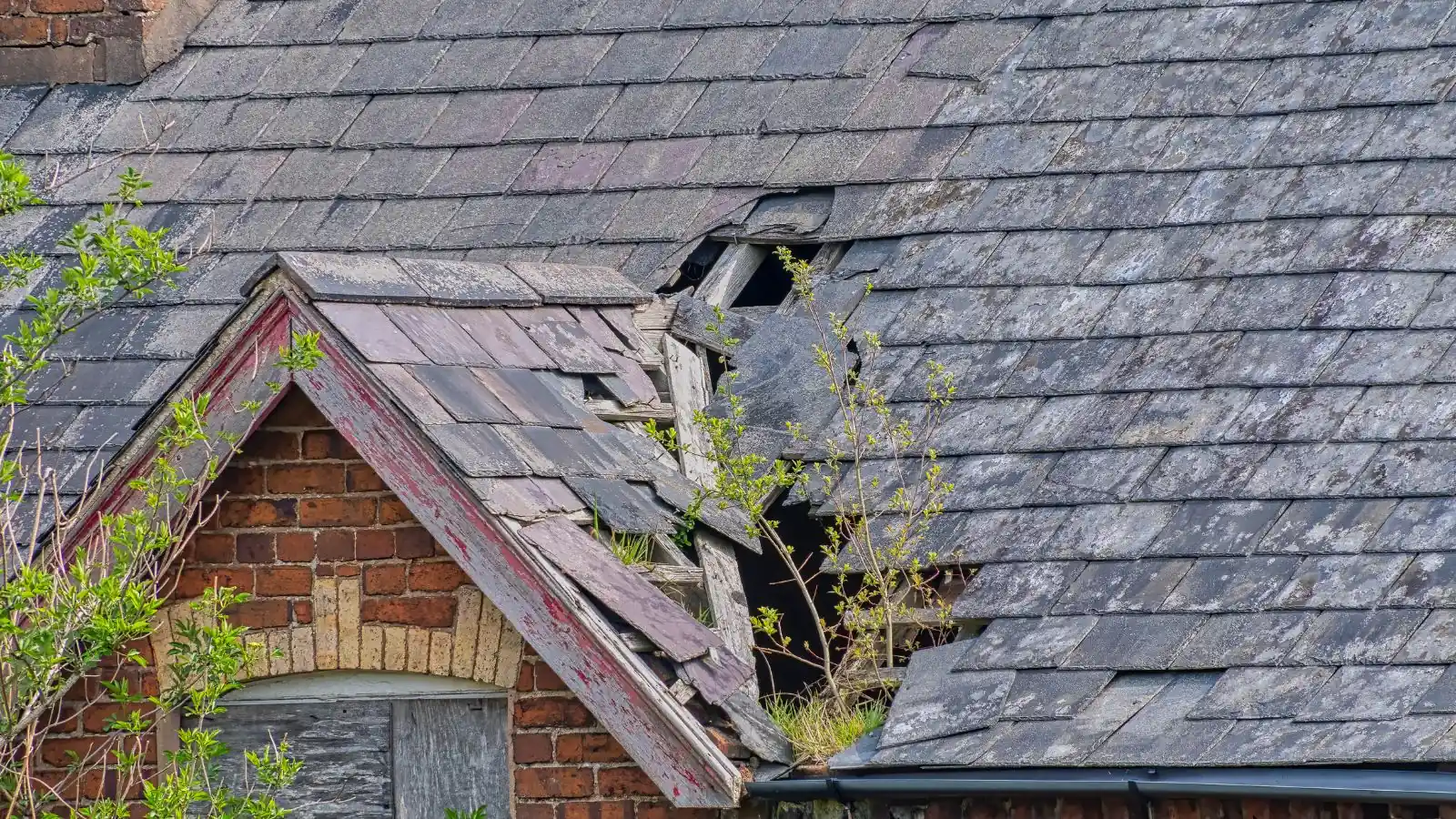
- Missing or lifted shingles, damaged flashing and vent boots on the roof
- A tree limb through the roof, a window or siding
- Wind-driven rain pushed through window seals, garage doors and doorways
- Clogged gutters that overflow behind siding and into walls
- Skylights and chimney penetrations that were already marginal
Water can run along the underside of roof decking and enter several feet from the damaged spot. The stain you see in the ceiling is often not under the hole. Moisture meters and a thermal camera show where the water traveled.
Storm water coming into the house?
Call the 24/7 line when it is safe.
Storm weather around Braselton
Braselton sits in the north Georgia Piedmont, and the Mulberry River and Duncan Creek run through the town. Heavy storms can raise streams and drive rain sideways, and the right page depends on where the water entered. For specific storm dates and rainfall, check the National Weather Service for the area, because this page does not claim figures that it has not verified.
To find out whether your property is in a mapped flood hazard area, use FEMA's online flood map lookup. If water entered from above, it is storm damage. If it rose from the ground, it is flood damage, and your policy will treat the two differently.
How the cleanup proceeds
Assess
The crew maps wet areas with a moisture meter and a thermal camera.
Extract
Standing water in rooms and wet carpet is extracted.
Remove
Wet insulation, ceiling drywall and any materials that cannot dry in place are removed.
Dry
Air movers and dehumidifiers dry the framing, and readings are tracked until the structure is dry.
What sets a storm cleanup scope
The crew goes over scope and price with you before starting. The number of openings, the volume of water, how long the roof was exposed, the ceiling and insulation involved and the drying time are the main factors. A single window leak is small and a roof opened over several rooms is large.
Insurance after a storm
Wind and rain through an opening caused by a storm is often covered under a homeowners policy, but flood is not. Georgia's insurance commissioner advises reporting claims promptly and keeping records of repair costs. Only the policyholder can authorize repairs and choose a contractor, so you decide who does the work.
Take photos before temporary repairs where it is safe, keep receipts for tarps and boards and keep damaged property until an inspection is finished. If the damage is at a business, see commercial water damage restoration.
After a storm the line takes calls from all six places on our list, from Braselton to Flowery Branch.
Questions people ask
Do storms at night get an answer?
Yes, and that matters because storms often hit at night. When it is safe, call and describe what came in.
Do you tarp roofs or board windows?
No. A roofer or a carpenter does temporary exterior protection. We handle the water inside the building.
How do I know whether my loss is storm damage or flood damage?
If water came from above through the roof, a window or a wall, it is storm damage. If it rose from the ground, it is flood. Insurers treat them differently, so describe it accurately.
Should I start cleanup before the insurance adjuster arrives?
Take photos first and make reasonable efforts to stop further damage, but keep damaged property until your insurer says they can go. Georgia's insurance commissioner advises keeping records and receipts.
Can I stay in the house?
It depends on the damage. Avoid rooms with sagging ceilings, wet electrical equipment or contaminated water, and call if you are not sure.